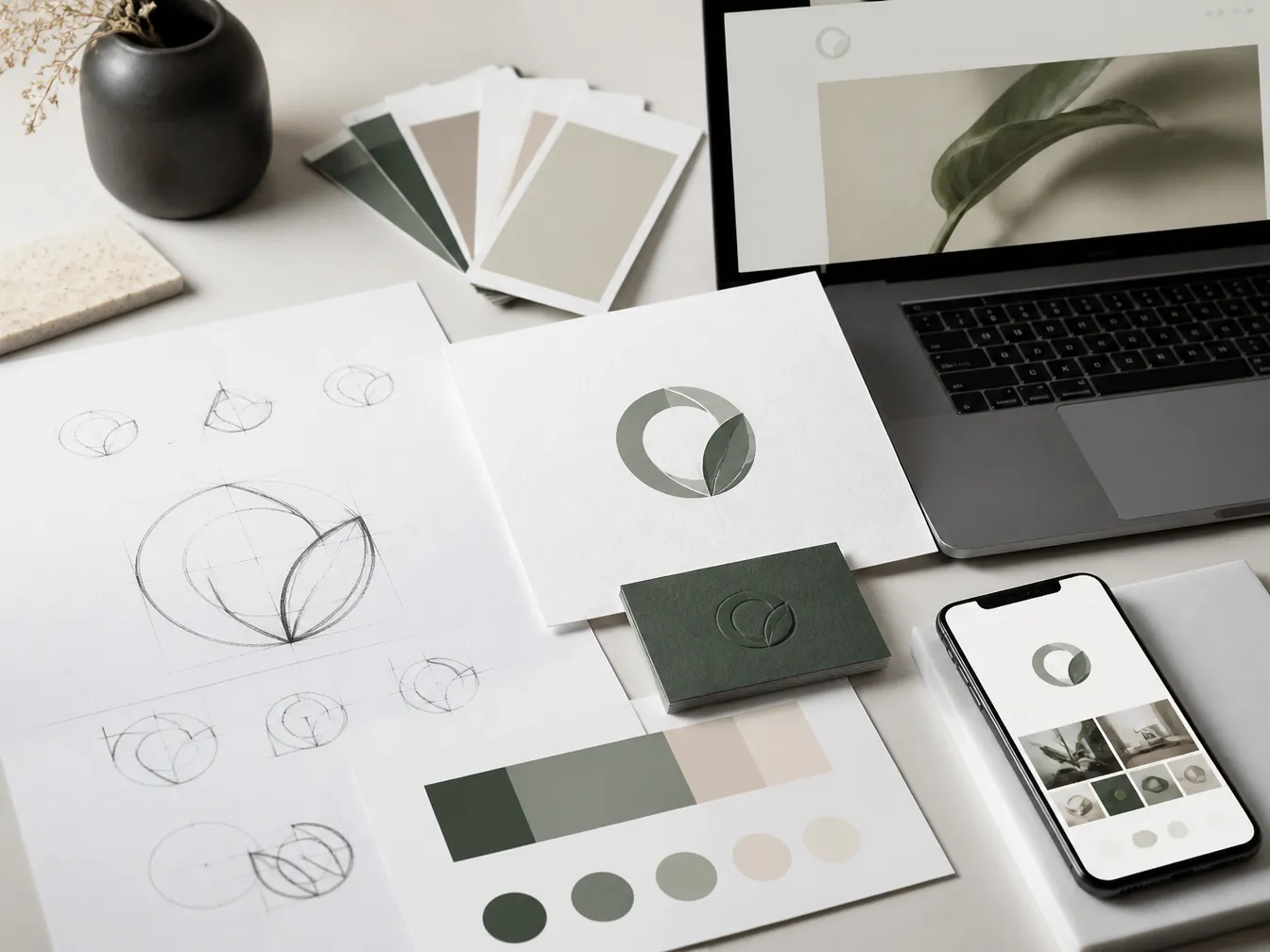
Most customers meet your brand through a visual touchpoint first.
It may be your website header, Google Business Profile, social media profile, ad, product package, email signature, business card, or app icon. Before they read your full message, they see your logo.
That small mark says a lot.
A strong logo can make your business feel clear, trusted, modern, and easy to remember. A weak logo can make your brand look outdated, generic, or unclear.
That is why professional logo design for brand identity matters in 2026. Your logo is not your full brand, but it is one of the most visible parts of it. It helps people recognize your business faster and connect your visuals across every channel.
For U.S. small businesses, startups, service companies, e commerce brands, and growing teams, a professional logo is more than a nice design. It is a business asset that supports trust, recognition, and marketing.
Quick Answer: How Can Professional Logo Design Transform Brand Identity?
Professional logo design transforms brand identity by giving your business a clear, memorable, and consistent visual mark.
A strong logo helps customers:
- Recognize your brand faster
- Trust your business sooner
- Understand your brand style
- Remember your company after seeing it
- Connect your website, ads, social media, emails, packaging, and sales materials
In 2026, this matters even more because many brands use the same templates, stock graphics, and AI-generated logo styles. A professional logo helps your business avoid looking like everyone else.
What Is the Difference Between a Logo and Brand Identity?
Many business owners think a logo and brand identity are the same thing. They are connected, but they are not the same.
Your Logo Is the Main Brand Mark
Your logo is the main symbol, wordmark, or icon that people connect with your business.
It may appear on your:
- Website
- Social media profiles
- Ads
- Storefront sign
- Product packaging
- Email signature
- Business card
- App icon
- Proposal
- Invoice
- Sales deck
Your logo acts like a shortcut for your brand. When people see it again and again, they start to connect that mark with your business.
Your Brand Identity Is the Full Visual System
Brand identity is the full visual style of your business.
It includes:
- Logo
- Brand colors
- Typography
- Icons
- Image style
- Layout style
- Graphic elements
- Brand guidelines
Your logo is one part of that system. But it is often the most repeated part.
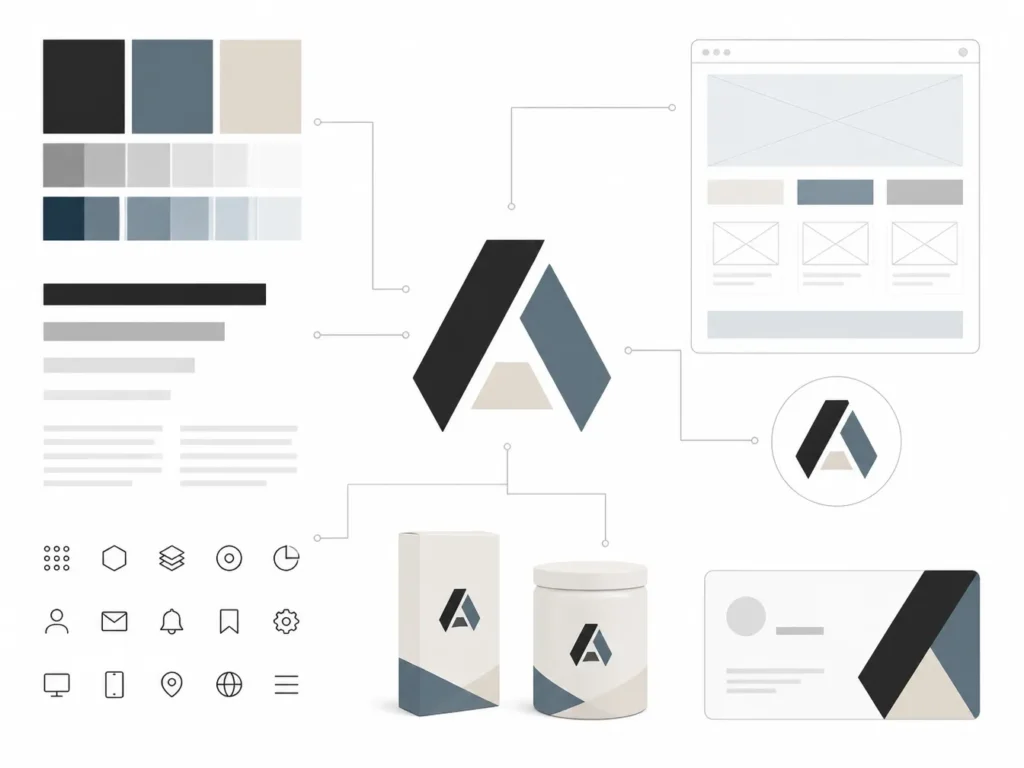
Logo vs Brand Identity: Simple Breakdown
Element | What It Means | Common Use |
| Logo | Main visual mark | Website header, profile image, packaging |
| Brand colors | Main color palette | Website, ads, social media, print |
| Typography | Font system | Headings, body text, graphics |
| Visual style | Overall look and feel | Images, icons, layouts |
| Brand guidelines | Rules for using visuals | Logo spacing, sizing, colors, files |
This is why logo design should not be handled as a random one-off graphic. It should connect with your full brand identity.
Why Professional Logo Design Matters for Businesses in 2026
It Creates a Clear First Impression
People judge your brand fast.
If your logo looks messy, outdated, or hard to read, customers may think your business is not serious. If your logo looks clean and aligned with your service, it can help your brand feel more trusted from the start.
This does not mean your logo needs to be complex. In many cases, simple is better. But simple should still feel planned and professional.
A strong logo should look clear, balanced, and right for your audience.
It Makes Your Brand Easier to Remember
A good logo is easy to recognize.
This helps your business stay in a customer’s mind after they leave your website, scroll past your ad, or see your post on social media.
Logo memory grows through repeat use. If your logo appears the same way across your website, Google Business Profile, social pages, ads, email, and print materials, people are more likely to remember it.
That is why consistency matters.
It Builds Trust and Credibility
A professional logo can make your business feel more stable and ready.
Customers may not study your logo in detail, but they notice when something feels off. Poor spacing, weak colors, unreadable fonts, or low quality files can make your brand look careless.
A polished logo helps show that your business pays attention to details.
That matters for service businesses, consultants, e-commerce brands, healthcare companies, real estate brands, tech companies, and local businesses.
It Helps Your Business Stand Apart
Many industries are crowded.
A local HVAC company, online store, law firm, SaaS startup, fitness brand, or marketing agency may have many competitors using similar colors, icons, and templates.
Professional logo design helps your business create a mark that fits your own brand position.
The goal is not to be strange just to get attention. The goal is to be clear, ownable, and easy to recognize.
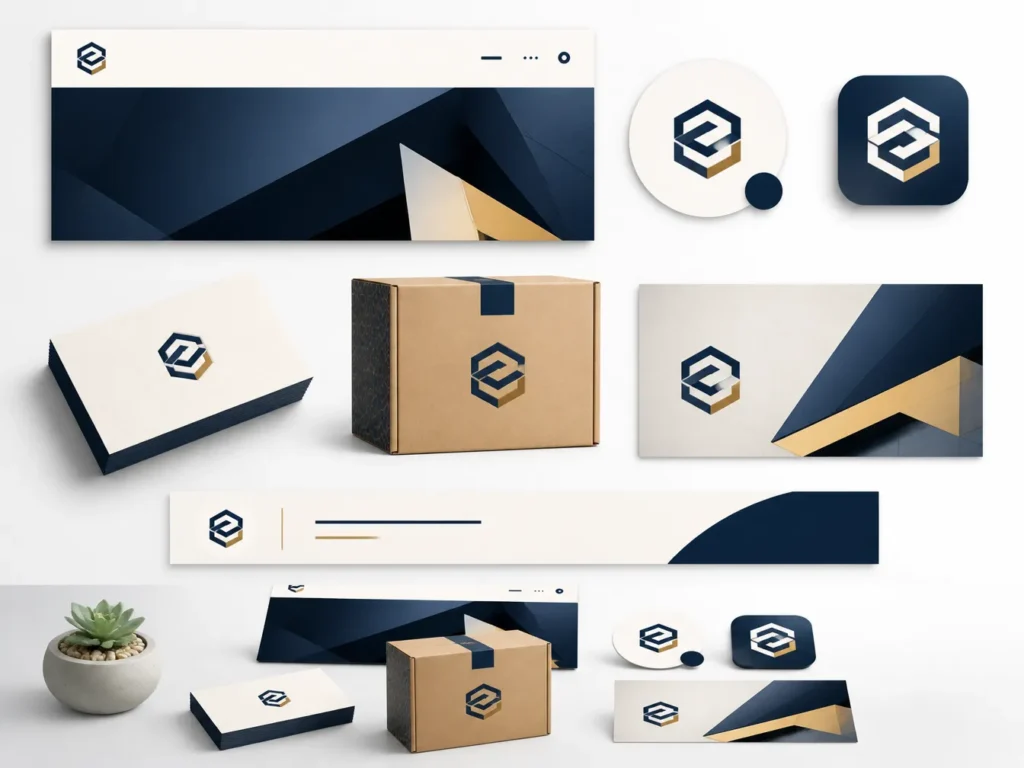
It Supports Brand Consistency Across Channels
Your logo needs to work in many places.
A logo that looks good only on a large screen may fail as a small social media icon. A logo that works in full color may not work in black and white. A logo that looks good on a website may not work on packaging or print.
Professional logo design considers these uses from the start.
Your logo should work across:
- Website headers
- Mobile screens
- Favicons
- Social media profiles
- Google Business Profile
- Paid ads
- Email signatures
- Business cards
- Packaging
- Storefront signs
- Sales decks
- App icons
It Gives Your Brand Room to Grow
A business changes over time.
You may add services, enter new markets, launch products, update your website, run ads, or expand your team. Your logo should be flexible enough to grow with the business.
That is why professional logo design often includes logo variations, color versions, and usage rules.
This helps your brand stay consistent as it grows.
What a Professional Logo Design Package Should Include
A professional logo package should give you more than one image file.
It should give your business a usable logo system.
| Logo Asset | Why It Matters |
| Primary logo | Main logo for your website and core brand use |
| Secondary logo | Helps when space is limited |
| Icon mark | Useful for favicons, apps, and social profiles |
| Wordmark | Works when your business name needs focus |
| Horizontal version | Useful for website headers and documents |
| Stacked version | Useful for square or vertical layouts |
| Black and white version | Works without color |
| Light and dark versions | Works on different backgrounds |
| Source files | Needed for edits and future use |
| Web ready files | Useful for websites and social platforms |
| Print ready files | Needed for cards, signs, and packaging |
| Basic brand guide | Keeps logo use consistent |
A business should not have to guess which logo file to use. The package should make logo use simple.
Professional Logo Design vs DIY and AI Logo Makers
DIY tools and AI logo makers can help with early ideas. They are useful for testing rough concepts or exploring different styles.
But they often miss strategy, originality, file quality, and long term brand use.
| Option | Best For | Main Risk | Best Business Fit |
| DIY logo | Quick testing | Generic look | Side project or very early idea |
| AI logo maker | Fast concepts | Weak brand control | Drafting ideas |
| Freelance designer | One off logo | May lack a full brand system | Small projects |
| Professional logo design service | Full identity system | Higher cost | Growing business |
AI tools can support the process, but they should not replace brand thinking.
A professional designer looks at your audience, industry, offer, tone, brand position, and future use. They also check details AI tools often miss, such as spacing, balance, font fit, file formats, logo versions, and brand usage rules.
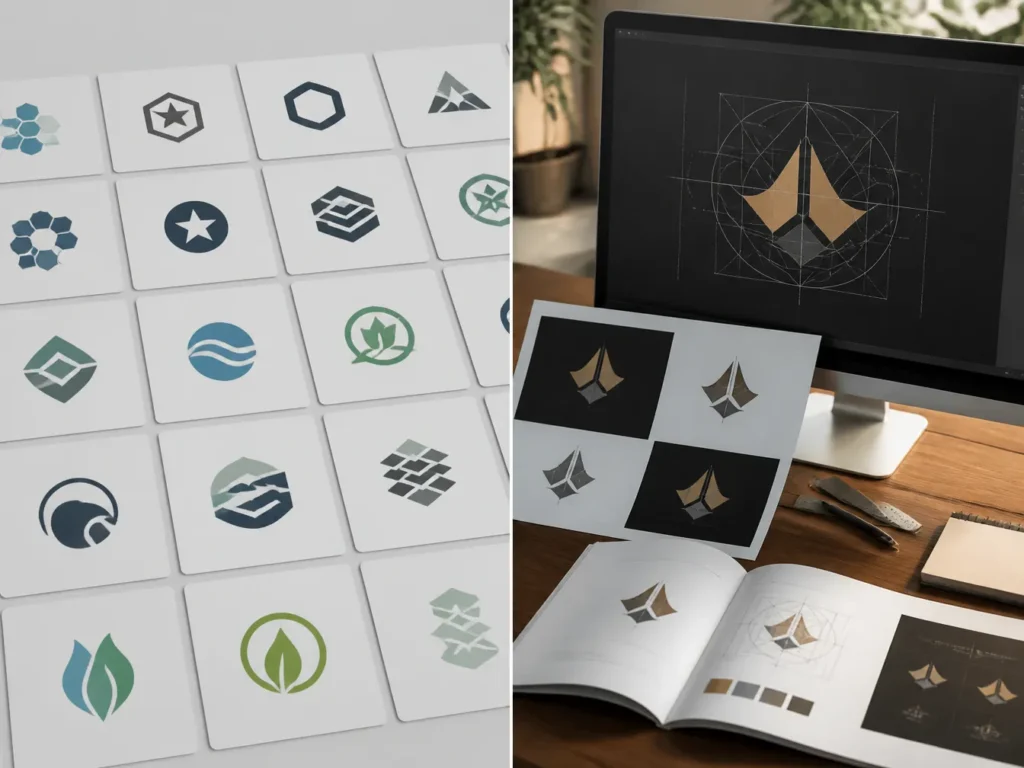
Common Logo Design Mistakes That Weaken Brand Identity
A logo can hurt your brand if it is hard to read, hard to use, or too close to what competitors already have.
Common logo mistakes include:
- Too many small details
- Fonts that are hard to read
- Poor color contrast
- A design based only on a short term trend
- No black and white version
- No small size version
- A generic icon that looks like many other brands
- No brand guide
- Low quality file formats
- Poor spacing
- Logo style does not match the audience
- Logo looks different across platforms
- Logo is too wide, too tall, or hard to resize
These mistakes may seem small, but they can make your brand feel less polished.
A strong logo should be easy to use, easy to recognize, and easy to apply across real business materials.
2026 Logo Design Trends That Matter
Logo trends can be helpful, but your logo should not depend only on trends. A strong logo should feel modern without becoming outdated too fast.
Simple but Distinct Logo Marks
Simple logos are easier to remember. But simple should not mean plain.
A good logo should be clean, but it still needs something distinct. That may come from the shape, letter treatment, color use, icon style, or spacing.
Responsive Logo Systems
In 2026, a logo must work in many sizes.
You may need a full logo for your website, a smaller icon for social media, and a favicon for browser tabs.
A responsive logo system gives you different versions for different spaces.
Motion-Friendly Logo Versions
Many brands now use short videos, reels, ads, and app style animations.
A logo that can work in motion may help your brand feel more current across digital content.
This does not mean every business needs an animated logo. But your logo should be clean enough to work in video formats.
Human and Original Design Over Generic AI Visuals
AI-made logos can often feel similar.
That is why human review matters. Your logo should connect with your real audience, not just look like a nice template.
Originality matters more when many brands use the same design tools.
Flexible Logo Systems for Web, Social, Apps, and Print
A logo needs to work across many customer touchpoints.
Your logo should be flexible enough for website headers, profile photos, product tags, packaging, business cards, ads, and mobile screens.
When Should You Redesign Your Logo?
You may not need a full rebrand. Sometimes a logo refresh is enough.
But if your logo creates confusion or no longer fits your business, it may be time to update it.
Signs you may need a logo redesign:
- Your logo looks old
- It is hard to read on mobile
- It does not fit your current services
- It does not match your website
- It looks too similar to competitors
- It does not work as a social media profile image
- You do not have source files
- You do not have black and white versions
- Your business has changed direction
- Your brand looks different across platforms
A redesign should not erase useful brand memory without reason. The goal is to improve clarity while keeping any recognition your business already has.
How Benzify Helps With Professional Logo Design and Brand Identity
Benzify helps U.S. businesses create logo systems that support trust, recognition, and growth.
The goal is not to make a random good-looking mark. The goal is to create a logo that fits your business, works across platforms, and connects with your full brand identity.
Brand Discovery Before Design
Good logo design starts with the business.
Benzify looks at your audience, offer, market, tone, services, and growth goals before creating logo concepts.
This helps the logo match your brand instead of looking like a generic template.
Custom Logo Concepts
Benzify creates logo concepts based on brand fit.
The design direction can include wordmarks, icon marks, letter-based marks, modern minimal marks, or a full logo system, depending on your business needs.
Logo System and Usage Rules
A professional logo should come with clear usage options.
This may include logo variations, color versions, font direction, spacing guidance, source files, web-ready files, and print-ready files.
This makes your logo easier to use across your website, social media, email, ads, and sales materials.
Design Connected to Your Full Growth System
Benzify works across logo design, graphic design, web design, SEO, Google Ads, social media, e-commerce, email marketing, AI tools, and business automation.
That means your logo can connect with your full marketing system, not just sit as a file on your computer.
Final Takeaway
Professional logo design transforms your brand identity by giving your business a clear, trusted, and memorable visual mark.
Your logo is not the full brand. But it is one of the first things customers see and one of the most repeated parts of your identity.
A strong logo helps your business look consistent across your website, ads, social media, emails, packaging, and sales materials. It also helps customers recognize and remember your brand faster.
DIY tools and AI logo makers can help with quick ideas, but growing businesses need more than a quick logo file. They need a logo system that works in real business use.
Need a logo that looks professional, works across every platform, and supports your brand identity?
FAQs About Professional Logo Design and Brand Identity
How can professional logo design transform your brand identity?
Professional logo design gives your business a clear and memorable visual mark. It helps customers recognize your brand, trust your business, and see the same identity across your website, ads, social media, email, and print materials.
What is the difference between a logo and brand identity?
A logo is the main visual mark of your business. Brand identity is the full visual system, including your logo, colors, fonts, image style, icons, layout rules, and brand guidelines.
What makes a logo design professional?
A professional logo is clear, easy to read, easy to remember, and usable in many sizes and formats. It should match your audience, support your brand identity, and come with the right file types and usage rules.
Can AI logo makers replace professional logo designers?
AI logo makers can help create quick ideas, but they do not fully replace professional logo strategy. A designer can guide brand fit, originality, logo versions, file quality, readability, and long term use.
What should a professional logo design package include?
A professional logo package should include a primary logo, secondary logo, icon mark, black and white version, light and dark versions, source files, web ready files, print ready files, and basic brand usage rules.
How do I know if my business needs a logo redesign?
You may need a logo redesign if your logo looks outdated, is hard to read on mobile, does not match your current services, looks like competitors, or does not work well across website, social media, ads, and print materials.