Email marketing in 2026 is not about sending more messages. It is about sending better emails to the right people at the right time.
Customers now expect emails to feel useful, personal, and easy to read. They do not want random sales blasts. They want clear offers, helpful updates, and messages that match their needs.
For U.S. small businesses, ecommerce brands, service companies, B2B teams, and growing brands, email is still one of the most direct ways to build relationships and drive sales. But old email tactics are not enough anymore.
The strongest email campaigns now use clean data, AI support, smart automation, privacy first list growth, mobile first design, and better reporting. Email also works best when it connects with your CRM, website, ads, social media, and customer follow up system.
Quick Answer: What Are the Top Email Marketing Trends in 2026?
The top email marketing trends in 2026 are AI assisted personalization, first party data, zero party data, smarter lifecycle automation, privacy first list growth, interactive emails, mobile first design, accessibility, deliverability, CRM integration, revenue focused analytics, and value led messaging.
Here is the simple list:
- AI assisted personalization
- First party and zero party data
- Smarter lifecycle automation
- Trust first privacy and consent
- Interactive email content
- Mobile first and accessible design
- Deliverability and email authentication
- CRM and omnichannel integration
- Revenue focused analytics
- Value led messaging
These trends matter because people are more selective with their inbox. If your emails are not useful, clear, and well timed, they will be ignored.
Email Marketing Trends 2026: Quick Summary Table
| Trend | Why It Matters | Best Business Use |
| AI personalization | Sends more relevant content | Product suggestions and segmented offers |
| First party data | Builds better customer insight | Website, CRM, and purchase behavior |
| Zero party data | Uses info customers share | Preference centers, quizzes, surveys |
| Automation | Sends at the right time | Welcome, cart, review, win back emails |
| Privacy and consent | Builds trust | Clear optins and clean list management |
| Interactive email | Increases engagement | Polls, quizzes, dynamic content |
| Mobile first design | Improves user experience | Simple layouts and clear buttons |
| Deliverability | Helps emails reach inboxes | Authentication and list hygiene |
| CRM integration | Connects email with sales | Follow ups, ads, SMS, and customer data |
| Revenue analytics | Shows real results | Sales, retention, and customer value |
1. AI Assisted Personalization Became the New Standard
AI is changing how businesses plan, write, and send emails.
Basic personalization used to mean adding a first name to the subject line. In 2026, that is not enough. AI can help businesses group customers based on behavior, purchase history, interests, timing, and engagement.
What It Means
AI-assisted email personalization can help with:
- Audience segmentation
- Product suggestions
- Subject line ideas
- Send time testing
- Content recommendations
- Customer behavior patterns
- Reengagement timing
For example, an ecommerce store can send different product suggestions to repeat buyers, first time shoppers, and people who left checkout.
A service business can send different emails to new leads, past customers, and people who requested a quote but never booked.
How Businesses Should Use It
Use AI to support email strategy, not replace human review.
AI can help plan and speed up campaigns, but your team should still check tone, accuracy, offer quality, and brand fit.
The best emails still feel human. They are clear, useful, and matched to what the customer needs.
2. First Party and Zero Party Data Became More Valuable
Privacy changes have made owned customer data more valuable.
Businesses now need to rely less on broad tracking and more on data collected through their own channels.
What First Party Data Means
First party data is information your business collects from customer actions.
This can include:
- Email signups
- Website visits
- Purchase history
- CRM records
- Email clicks
- Form submissions
- Customer support activity
What Zero Party Data Means
Zero party data is information customers choose to share with you.
This can include:
- Preferences
- Survey answers
- Quiz responses
- Product interests
- Budget range
- Service needs
This type of data helps businesses personalize emails without making customers feel watched.
How Businesses Should Use It
Use preference centers, lead forms, quizzes, and customer surveys to learn what people want.
Then use that data to send better emails.
For example, a clothing store can ask subscribers what styles they like. A home service company can ask what services a customer needs. A B2B company can ask what business problem the lead wants to solve.
3. Smarter Lifecycle Automation Replaced Basic Email Blasts
Email blasts still have a place, but lifecycle automation is now far more useful.
Automation helps businesses send messages based on customer actions instead of sending the same email to everyone.
Key Automation Flows Businesses Should Use
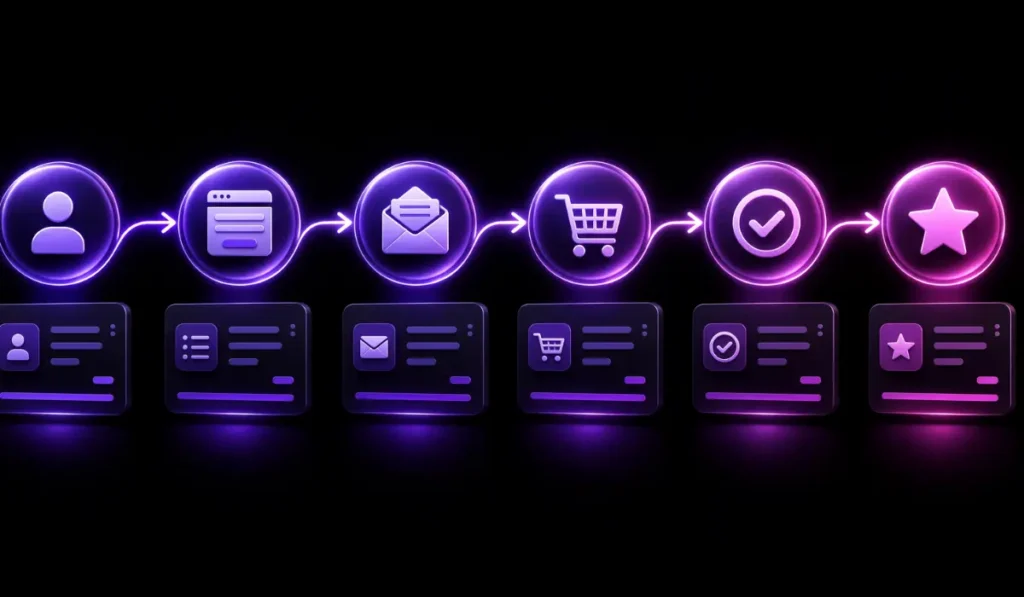
Useful email automation flows include:
- Welcome sequence
- Abandoned cart email
- Browse abandonment email
- Post purchase email
- Review request
- Lead nurturing sequence
- Reengagement email
- Winback campaign
- Loyalty email
- Renewal reminder
Why It Matters
Timing matters.
A welcome email should arrive soon after signup. A cart reminder should arrive after someone leaves checkout. A review request should arrive after the customer has had time to use the product or service.
Smart automation makes follow up feel natural. It also saves time for your team.
4. Trust First Privacy and Consent Changed List Growth
A bigger email list is not always a better email list.
In 2026, quality matters more than size. People want to know what they are signing up for and how their information will be used.
What It Means
Trust-first email marketing uses:
- Clear optin forms
- Simple consent language
- Easy unsubscribe links
- Preference centers
- Clean list management
- Honest email frequency
- Better data handling
This helps people feel more comfortable joining your list.
What Businesses Should Avoid
Avoid buying email lists, hiding unsubscribe links, or sending emails to people who never asked to hear from you.
These tactics can hurt trust, increase spam complaints, and weaken deliverability.
A clean list may be smaller, but it can bring better engagement.
5. Interactive Emails Helped Brands Get More Engagement
Interactive email content can make emails feel more useful and less flat.
Instead of only reading, subscribers can click, answer, choose, or explore inside the email.
What Interactive Emails Can Include
Interactive email content may include:
Polls
Quizzes
Product selectors
Countdown timers
Dynamic product blocks
Review prompts
Preference buttons
Clickable menus
For example, an e-commerce brand can let users choose product categories they like. A service business can ask leads what service they need. A B2B company can let readers pick the topic they want to learn about next.
Practical Caution
Not every inbox supports every interactive feature.
That is why fallback design matters. If an email client does not support the interactive version, users should still see a clean, working email.
Keep the design simple. Do not add interactive elements just to look modern. Use them when they help the user take a clear next step.
6. Mobile First and Accessible Email Design Became Non Negotiable
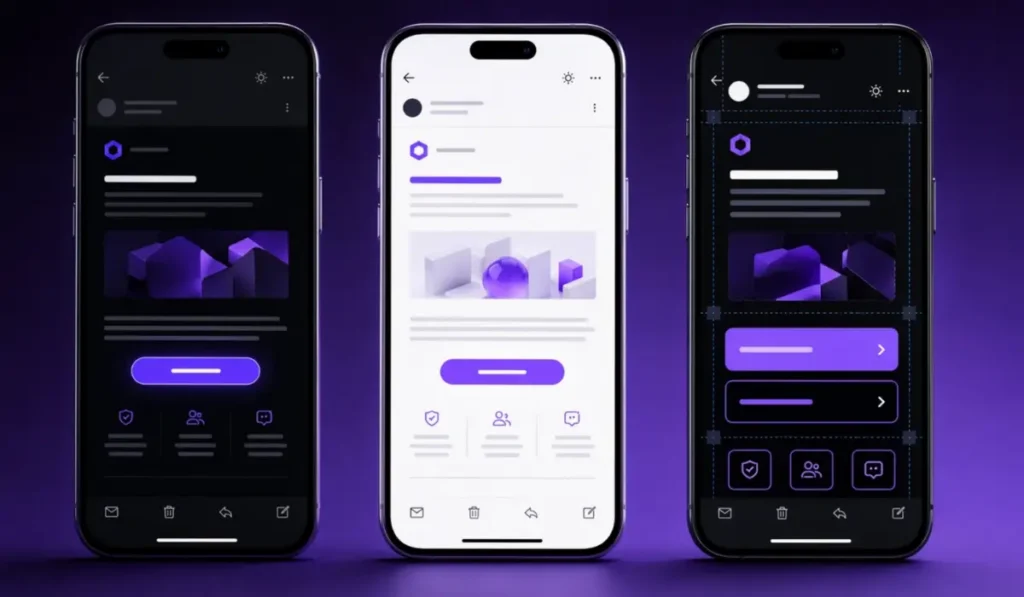
Most people check email on mobile at some point during the customer journey. If your email is hard to read or hard to tap, people may leave fast.
Mobile first email design means your message works well on small screens first.
What Good Mobile Email Design Includes
Strong mobile email design uses:
- Short subject lines
- Clear preheader text
- Simple layouts
- Large readable fonts
- Clear buttons
- Fast loading images
- Enough spacing
- Short paragraphs
- Strong visual order
Your email should be easy to scan in a few seconds.
Why Accessibility Matters
Accessible email design helps more people read and use your message.
This includes:
- Good color contrast
- Helpful alt text
- Clear link text
- Readable font sizes
- Simple layouts
- Buttons that are easy to tap
Accessibility is not only for compliance. It also improves user experience for everyone.
7. Deliverability and Email Authentication Became Bigger Priorities
A good email campaign cannot work if it does not reach the inbox.
Deliverability is about helping your emails land where people can see them, not in spam or promotions folders every time.
What Businesses Should Watch
Important deliverability factors include:
- Sender reputation
- List quality
- Bounce rate
- Spam complaints
- Unsubscribe rate
- Email authentication
- Engagement quality
- Sending frequency
What Email Authentication Means
Email authentication helps inbox providers confirm that your email is really from your domain.
This can include:
- SPF
- DKIM
- DMARC
- BIMI
You do not need to explain these terms to every customer, but your business should make sure they are set up correctly.
Mistake to Avoid
Do not keep sending to cold, inactive, or low quality lists.
If people do not open, click, or engage, your sender reputation can suffer. Regular list cleaning helps protect inbox placement.
8. Email Became Part of the Full CRM and Omnichannel System
Email works better when it connects with the rest of your marketing.
In 2026, email should not sit alone. It should connect with your CRM, website, social media, Google Ads, ecommerce store, SMS, and sales follow up.
What This Looks Like
A connected customer journey may look like this:
- A user clicks a Google Ad
- They visit a product or service page
- They join your email list
- They receive a welcome sequence
- They get a helpful offer based on behavior
- Your CRM updates the lead status
- Your sales team follows up
- Retargeting ads match the same offer
This creates a more connected experience for the customer.
Why It Matters
When email, CRM, ads, and your website work together, your business can follow up with better timing and better context.
This helps reduce random marketing and improves the customer journey.
9. Analytics Moved Beyond Open Rates
Open rates are still useful, but they should not be the only way to judge email success.
Email performance should connect to real business results.
What Businesses Should Track
Better email metrics include:
- Click through rate
- Conversion rate
- Revenue per email
- Unsubscribe rate
- Bounce rate
- Spam complaints
- Customer lifetime value
- List growth quality
- Repeat purchase rate
- Lead quality
Why It Matters
A campaign with a high open rate is not always successful. If people open but do not click, buy, book, or reply, the email may need work.
Better reporting helps you see what is actually driving leads, sales, and retention.
10. Value Led Messaging Beat High Volume Sending
People are tired of generic emails.
In 2026, brands need to send fewer emails that offer more value. This does not mean you should email less every time. It means every email should have a clear reason to exist.
What Value Led Emails Can Include
Useful email content can include:
- Helpful tips
- Product education
- Personalized offers
- Customer stories
- Seasonal guides
- Reorder reminders
- Loyalty updates
- Service reminders
- Case studies
- New feature updates
The goal is to help, guide, remind, or solve a problem.
What Businesses Should Avoid
Avoid sending only discounts, generic promotions, or “just checking in” emails with no real value.
Customers stay subscribed when your emails feel useful.
What U.S. Businesses Should Do Next
If your email marketing feels outdated, start with the basics.
Use this simple checklist:
- Clean your email list
- Set up email authentication
- Build 3 to 5 core automation flows
- Segment based on behavior
- Create mobile-first templates
- Add clear preference options
- Track revenue and conversions
- Connect email to CRM and ads
- Review privacy and consent language
- Test subject lines and CTAs
- Send fewer but better emails
You do not need to use every trend at once. Start with the areas that will fix the biggest gaps in your current email system.
How Benzify Helps With Email Marketing
Benzify helps U.S. businesses build email marketing systems that support leads, sales, retention, and customer follow up.
The focus is not just on sending emails. The focus is on building a connected system that works with your website, CRM, ads, social media, automation tools, and customer journey.
Strategy and Campaign Planning
Benzify can help plan campaigns based on your audience, offer, sales cycle, and business goals.
Email Automation Setup
Benzify can help set up welcome flows, abandoned cart emails, lead nurturing, win-back campaigns, and customer follow up sequences.
CRM and Tool Integration
Benzify can connect email with CRM tools, websites, e-commerce stores, ads, and automation systems.
Email Design and Copywriting
Benzify can create branded email templates, clear copy, strong subject lines, and mobile-first layouts.
Analytics and Performance Reporting
Benzify can help track the metrics that matter, such as clicks, conversions, revenue, lead quality, and retention.
Want email campaigns that feel personal, look professional, and support real growth?
FAQs About Email Marketing Trends in 2026
What are the top email marketing trends in 2026?
The top email marketing trends in 2026 include AI personalization, first-party data, zero party data, lifecycle automation, privacy first list growth, interactive emails, mobile-first design, deliverability, CRM integration, better analytics, and value-led messaging.
Is email marketing still effective for U.S. businesses?
Yes. Email marketing is still useful because it gives businesses a direct way to reach customers without relying only on social media algorithms or paid ads. It works best when emails are relevant, well timed, and connected to the customer journey.
How is AI changing email marketing?
AI helps businesses segment audiences, suggest content, test subject lines, recommend products, and improve send timing. It should support strategy, but human review is still needed for tone, accuracy, and brand fit.
What email automation flows should businesses use?
Most businesses should start with a welcome sequence, lead nurturing flow, abandoned cart email, post-purchase email, review request, reengagement email, and win-back campaign.
How can businesses improve email deliverability?
Businesses can improve deliverability by cleaning their list, using clear optins, reducing spam complaints, setting up authentication, avoiding purchased lists, and sending emails people actually want.
What email marketing metrics matter most?
The most useful email marketing metrics include click-through rate, conversion rate, revenue per email, unsubscribe rate, bounce rate, spam complaints, list growth quality, and customer lifetime value.